

Under Pressure

Last week, SpaceX experienced a “rapid unscheduled disassembly”. As main cause they identified a leak in the propellant (liquid methane and liquid oxygen) line, which can be pressured up to 5,000 psi.
Elon Musk called it a “minor setback” - a perspective that emphasizes trial and error are needed to feed innovation. For reference, the Wright Brothers’ 1902 glider clocked about 4 hours of “flying” over their 1,000 flights at Kitty Hawk that fall - an average flight (glide) time of about 14 seconds. At the end of that year they were confident enough to put an engine on it, and on December 11, 1903, they made their first sustainable flight.
In the shale industry, instead of connecting pipes to rockets, we use them to connect frac pumps and wells. Our challenge is also that high pressure causes stress. And stress, in a tensile form, can create failure. It is our job to ensure that failure happens downhole in the rock - not in the pipes at surface.
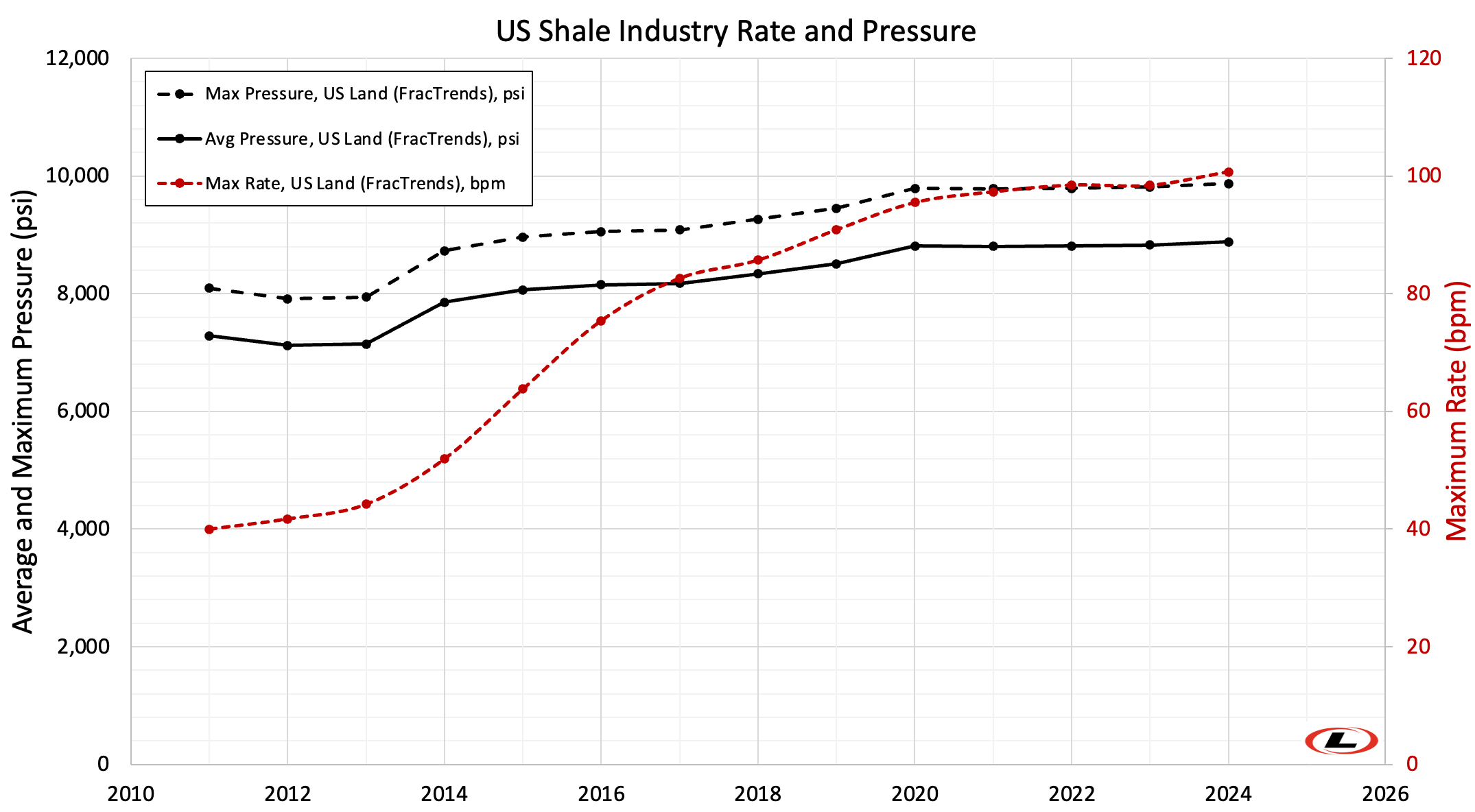
Max pressure during a US frac job is now close to 10,000 psi - that’s the weight of two F-150s pushing from the inside of a square inch of steel pipe. And that’s the pressure along EVERY square inch of that pipe. In a few basins that are deeper and have a higher closure stress, max pumping pressure can go as high as 15,000 psi.
Our crews maintain a strict monitoring program and swaps out iron on a regular basis to eliminate failures. We have switched out iron and chiksans for more durable flexible hose. And of course, the crews work out of harms way outside a designated red zone.
Visiting a few of Liberty’s crews in STX this week, I have been amazed that they can pump more than 97% of all time they have available to pump while they work under pressure.
I can’t get enough of these little segments of information. Thank you, and thanks to the awesome FRACKERS!
Amazing.